
END7 student supporters have had a busy spring! Between creative fundraising events, high-impact advocacy activities (including meetings with 39 members of Congress on the second annual END7 Student Advocacy Day!), and the launch of chapters at universities from Scotland to Ghana, our student community has been making a difference in communities around the world. Students kicked off this busy semester with the celebration of the first-ever global NTD Awareness Week from January 24-30 – ending on the fourth anniversary of the signing of the London Declaration on NTDs.
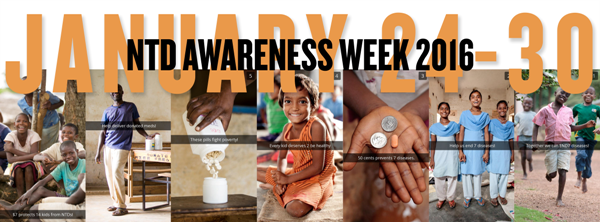
Here are some highlights from the week from participating universities around the world:
Duke University (Durham, North Carolina, USA)
Duke University END7 Student Advisory Board representative John Lu is currently teaching a for-credit elective course on NTDs, and celebrated NTD Awareness Week on campus by inviting Justin Lana, a PhD candidate at Duke, to give a guest presentation on guinea worm to the class. Justin spent two years living in a tent in South Sudan working with the Carter Center on their Guinea worm eradication effort. He shared stories of his work while living there, and demonstrated to the class how exactly he, and those he supervised, went about from community to community to ensure that guinea worm transmission was interrupted. He even brought in a few of the actual water filters that were distributed to community members to stop transmission, and passed around a guinea worm in formaldehyde that he had smuggled into the U.S. The sample is one of just 300 remaining samples of guinea worm, which is nearing eradication (with just 22 human cases left in the world).
Georgetown University (Washington, D.C., USA)
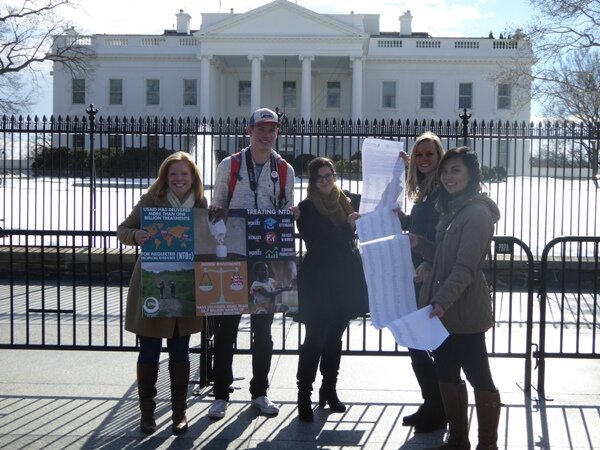
Throughout NTD Awareness Week, Georgetown students actively promoted a petition to urge President Obama to increase funding for the USAID NTD Program in the last budget request of his presidency. END7 at Georgetown members helped deliver petition signatures across town to the White House at the end of Awareness Week!
Glasgow University (Glasgow, Scotland)
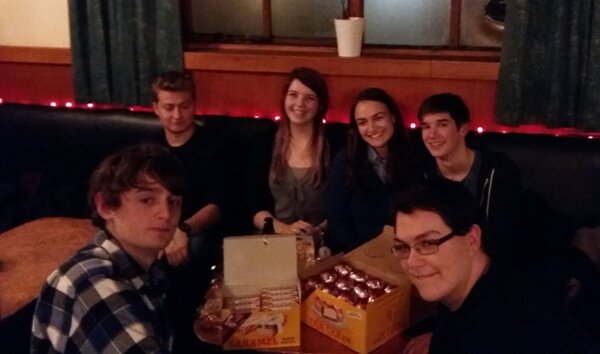
To celebrate NTD Awareness Week, the newly-established GUEND7 Society organized a pub quiz trivia event that raised £177.05 ($250) for END7! 30 attendees had a great time answering trivia questions about NTDs and other topics. The winning team was awarded a prize of tea cakes and biscuits donated by a local merchant.
Northeastern University (Boston, Massachusetts, USA)
END7 at Northeastern celebrated NTD Awareness Week with a Dancing with the Stars fundraising event, bringing campus celebrities together with members of the Northeastern University Ballroom Dance Team to put on fun performances – and even offer a Bachata dance lesson to attendees!
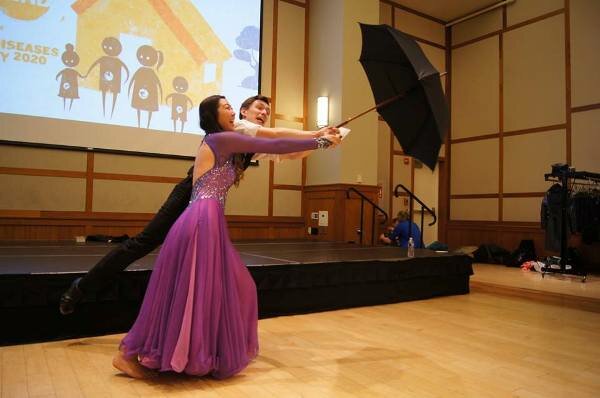
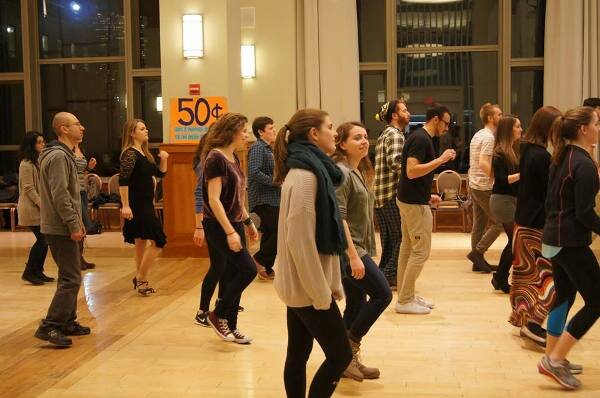
This creative event raised hundreds of dollars for NTD treatment – and was a whole lot of fun!
Nnamdi Azikiwe University (Awka, Nigeria)
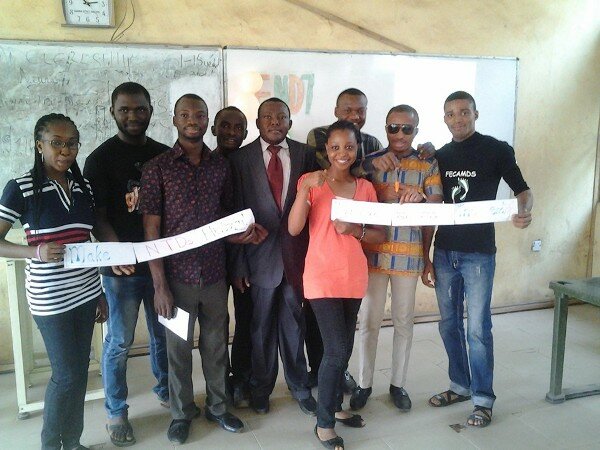
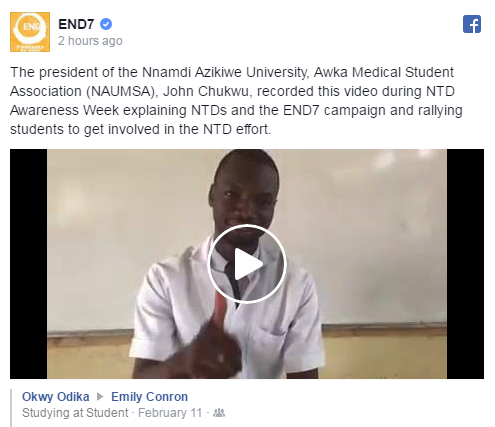
Students at Nnamdi Azikiwe University, Awka, organized a training session for medical students to learn more about NTDs. The president of the Nnamdi Azikiwe University, Awka Medical Student Association (NAUMSA), John Chukwu, recorded this video explaining NTDs and the END7 campaign and rallying students to get involved in the NTD effort.
Rice University (Houston, Texas, USA)
END7 at Rice launched NTD Awareness Week with a Super Smash Bros video game tournament that brought students from across campus together to raise money to “smash NTDs” while competing to win their favorite game.
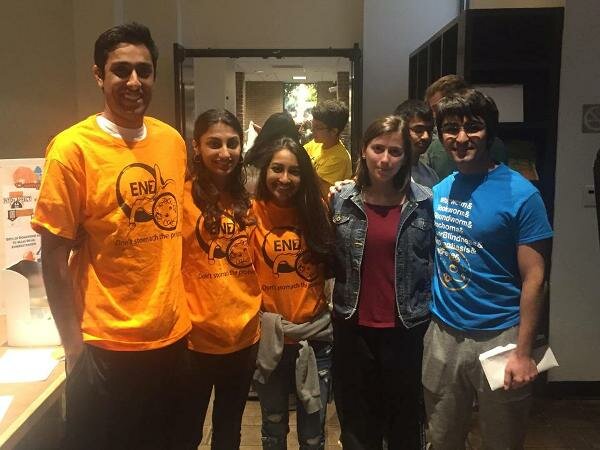
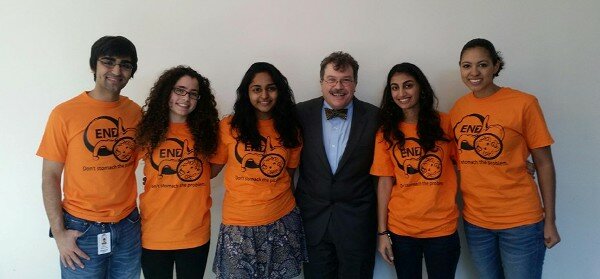
After a busy week of advocacy and education activities on campus, they collaborated with the Rice Pre-Medical Society to make NTDs the topic of their Third Annual Medical Speakers Conference on January 30. Dr. Peter Hotez, president of the Sabin Vaccine Institute (home of END7), delivered the keynote address, “NTDs: The Global Diseases of War and Poverty” – and took a minute to pose with members of the END7 at Rice executive board at the event.
Saint Mary’s University (Halifax, Canada)
Members of the just-launched SMU Voice for NTDs student society celebrated NTD Awareness Week with a fun Tropical Night fundraiser to spread the word about their new club and raise money for NTD treatment. The event featured a limbo competition, tropical photo booth, costume contest, and tropical refreshments – a perfect escape from the Halifax winter weather!
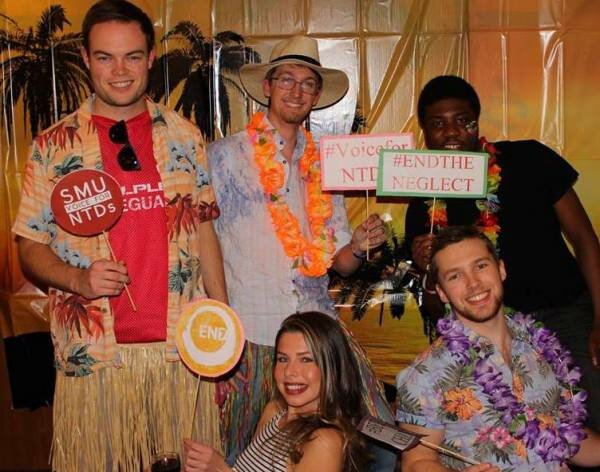
Talk about putting the fun in fundraising!

University of Sierra Leone (Freetown, Sierra Leone)
The leaders of END7 at the University of Sierra Leone College of Medicine and Allied Health Sciences (COMAHS) organized several exciting events during NTD Awareness Week, beginning with a capacity building training for students to learn about the NTDs prevalent in Sierra Leone. The training was co-facilitated by Hellen Keller International, an NGO addressing NTDs in the country. END7 at USL president Ishmael Tamba Jalloh gave a presentation about END7 and NTD Awareness Week at the event.
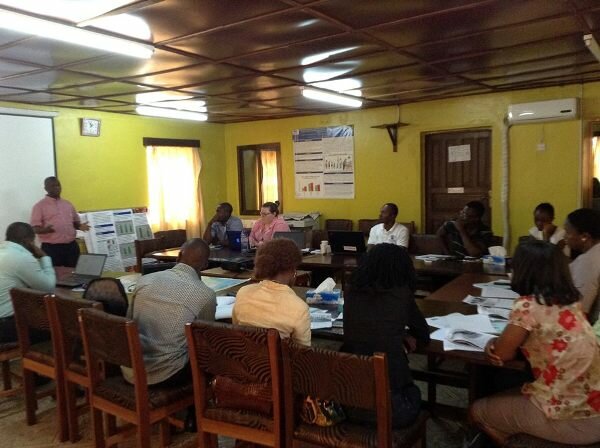
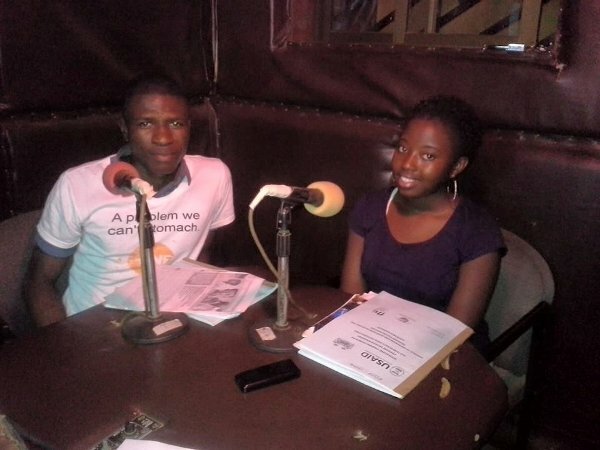
Ishmael then appeared on the Sierra Leone Broadcasting Cooperation national television program, PODIUM, to raise awareness about NTDs and END7, and was interviewed on two radio stations to promote NTD Awareness Week. Listen to his interview on the “Good Morning Show” here.
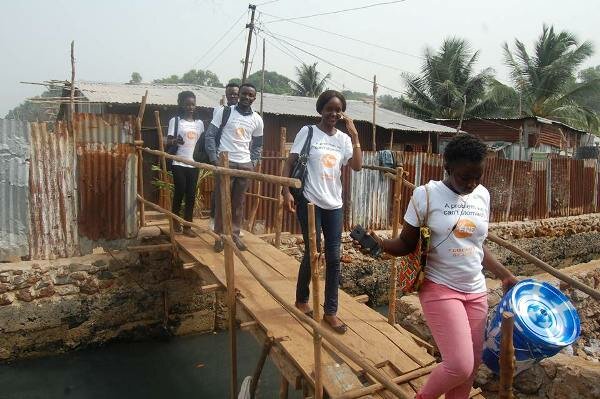
In addition to educating students and citizens about NTDs, END7 at USL members got involved directly in the NTD control and elimination effort by visiting schools in a low-income area of Freetown to educate primary school students about the importance of washing their hands and participating in mass drug administration (MDA) campaigns to stay safe from NTDs.
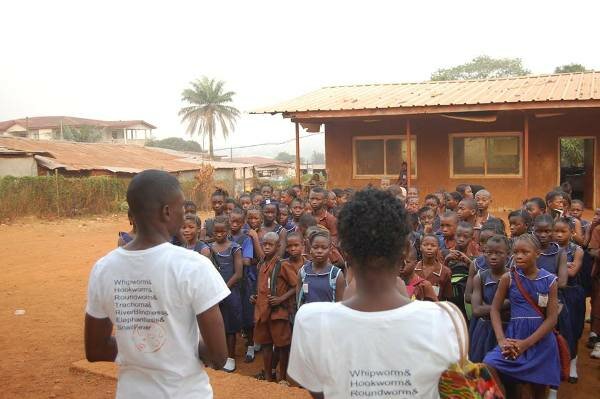
They also brought a water purification device to the school they visited to drive home their message!
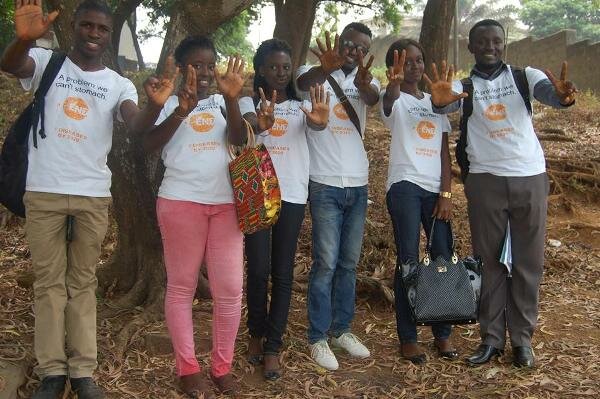
END7 at USL members celebrate a successful NTD Awareness Week by holding up 7 fingers for END7!
University of Texas at Austin (Austin, Texas, USA)
END7 at UT kicked off NTD Awareness Week by setting up a Bagels and Brochures table in a busy area of campus, handing out information about NTDs and pastries donated by a local Panera restaurant.
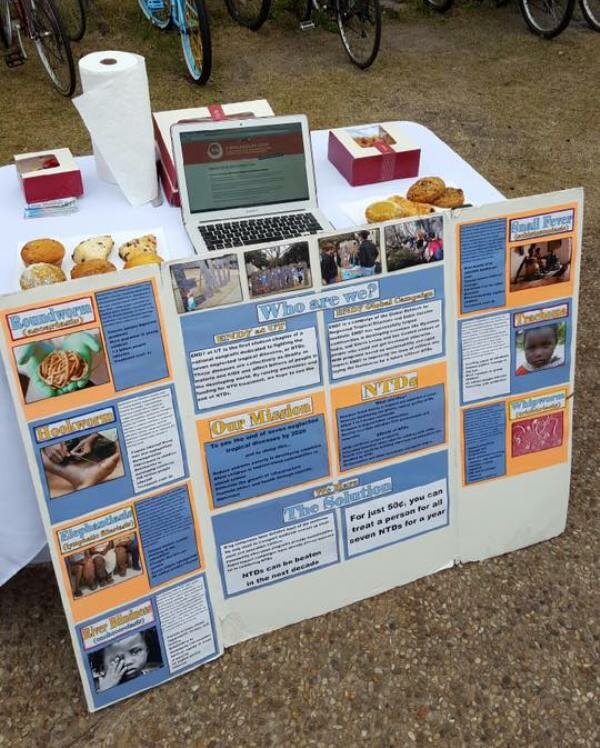
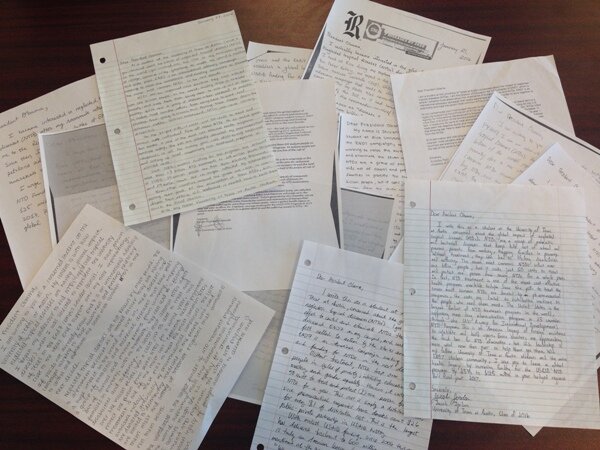
Club members also wrote dozens of letters to President Obama urging him to increase funding for the USAID NTD Program in the last budget request of his presidency – mailing them to D.C. just in time for our petition delivery at the White House!
We are so proud of END7 student supporters around the world who came together to raise awareness and funds to fight NTDs during the first-ever global NTD Awareness Week. The diversity of our student supporters and the events they organized is a testament to the global nature of the NTD control and elimination effort – and the power of partnership in fighting NTDs. Here’s to making NTD Awareness Week bigger and better in 2017!


