by Dr. P.K. Srivastava is the Joint Director – Nodal officer of Elimination of Lymphatic Filariasis Programme, Government of India
Of the more than a billion people in the world affected by NTDs, 34% live in India. This is in large part due to the number of people living in India at risk of being infected with lymphatic filariasis (LF). India alone is responsible for 42% of the global burden of LF and 16 states and 5 union territories are endemic for the disease. Many factors make LF a challenge to tackle in India. First, there is the wide geographic spread of endemic areas in a country with one of the largest populations in the world — from the tip of the subcontinent in Kerala to the reaches of the Sundarban mangrove forests in West Bengal. The demographic and climactic diversity is also a challenge — progress in rural areas may be offset by changes in the way urban populations respond to mass drug administration (MDA), MDA schedules may be interrupted by annual cyclones or floods, and subtle changes in the monsoon rains may change vector patterns.
India has a long history of addressing LF, beginning with a pilot project in 1949 that shaped global standards for elimination. India started administering diethylcarbamazine (DEC) in highly endemic areas in 1955. The lessons from these early years informed the launch of a revised strategy in 1997 when India signed the World Health Assembly resolution to eliminate LF. Three years later, the then health secretary Mr. Javid Chowdhary was appointed the chairperson of the Global Program to Eliminate LF (GPELF). Mr. Chowdhary committed to launching a program that covered 40 million people at risk of contracting LF, beginning with 20 million people that year. In 2002, India set 2015 as a target for LF elimination in the National Health Policy.
The current strategy to eliminate LF was launched in 2004. Between 2004 and 2007, the program scaled up to reach 421 million people, achieving 100% geographic coverage, all 250 endemic districts[1]. Coverage rates started out high, at 73% on average across the country, and continued to increase, reaching 83% in 2007 and 88.8% in 2014. India has benefited from drug donations of albendazole, provided for all annual MDAs against LF.
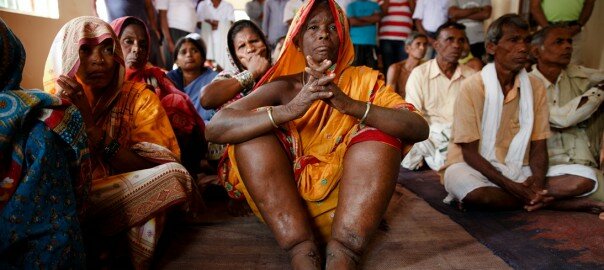
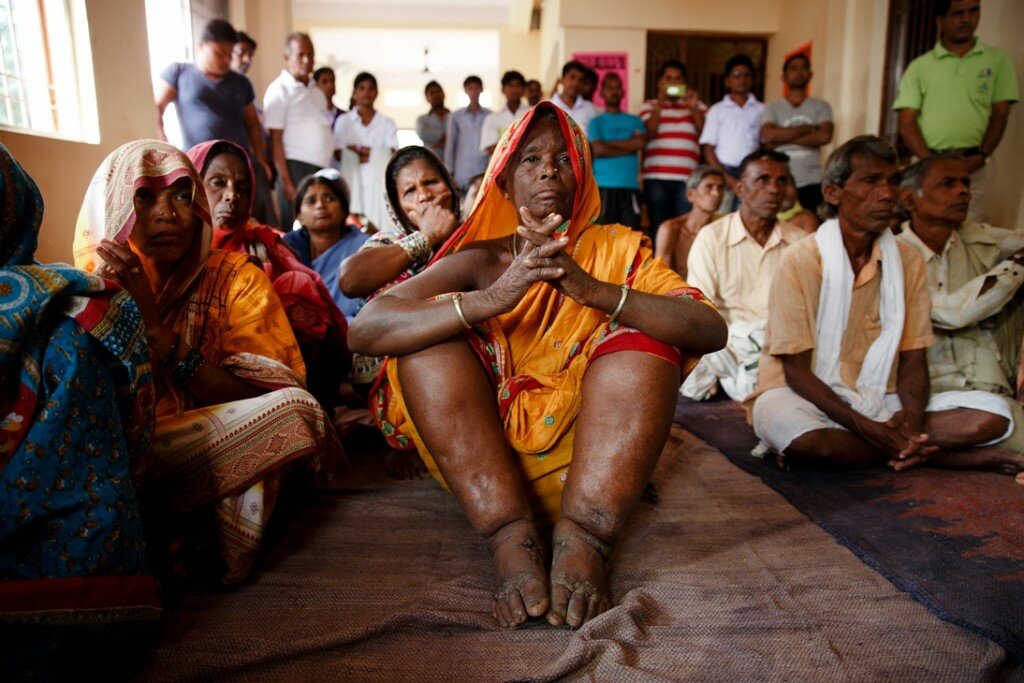
This increase in national average coverage may not seem like much over the course of a decade, but consider the challenges faced: as annual MDAs continue, LF infections become less common, serious complications related to LF, lymphedema and hydrocele, become less visible in the community and young people may be less motivated to participate in the annual MDA. Rigorous pre-testing prior to undertaking transmission assessment surveys also requires technical human and laboratory resources at the regional and state level- something that can be challenging in the mostly rural areas where the disease has traditionally taken hold. 33 districts have been identified as “hotspot” districts, where microfilaria rates remain high and programs have not been as effective at tackling LF. Still, the scale the program has achieved is remarkable. This rapid scale would not have been possible without the lessons from earlier pilots, the strong political will demonstrated on national and global platforms, local technical expertise, and the existence of an integrated, multi-level health system.
India’s efforts to scale MDAs and tackle LF have proven successful. Of the 255 endemic districts, 222 have microfilaria rates below 1%, qualifying them for transmission assessment surveys (TAS). 72 districts have already passed the first round. Although the 2015 deadline for elimination has passed, it is estimated that a first round of TAS will be underway in all 255 endemic districts by 2017. The fight will not end there. There is more to be done to scale up community based and facility based morbidity management, and surgical options have to be made accessible and affordable for those who can benefit from them. We will need to continuously monitor the situation to not only ensure success against LF, but also sustain deworming efforts once MDAs for LF end. Fortunately, India’s National Deworming Day initiative will scale up school and community based deworming for children as LF MDAs start to scale down.
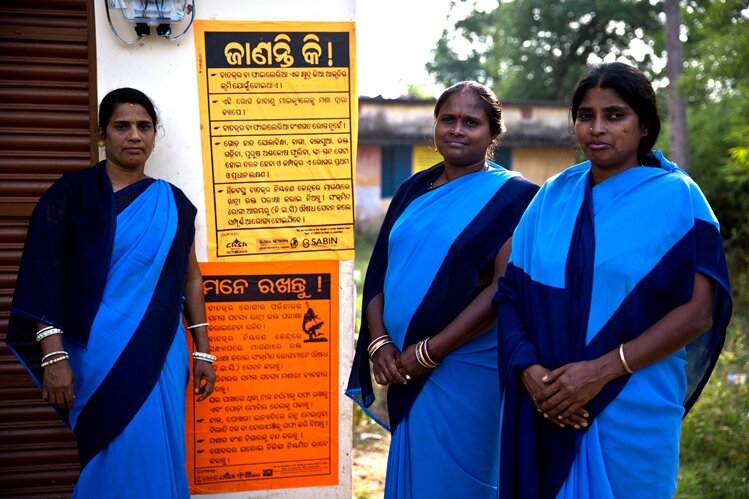
Just as getting to this point has been as result of a coordinated effort of technical, political, and community based partners, the road ahead will depend on coordinated monitoring and surveillance, community-based support from civil society, NGOs, and village health workers, accommodations in the health system and political support to see LF elimination to the end. India’s success impacts the global progress on NTDs and will be a model for other nations, and so we encourage you to check back with us at the end of 2017.
Dr. P.K. Srivastava is the Joint Director – Nodal officer of Elimination of Lymphatic Filariasis Programme, Government of India
[1] The number of endemic districts in now 255, due to geo-political realignment of state and district boundaries.
 Recently